Resolution is not just about megapixels. Its value lies in the information an image preserves: in fine material textures, natural colour gradations, and the transition from light to shadow.
How much camera resolution makes sense therefore depends on how the image will be used later. A digital publication has different requirements from a fine art print, a commercial retouch, or a shot that is intended for multiple formats.
High resolution expands your creative flexibility. It makes it possible to reframe crops, edit details with precision, and present images at large sizes without limiting their clarity too soon.
How Much Camera Resolution Makes Sense in Real-World Use?
There is no fixed megapixel count that fits every photographic task. The following values provide a practical guideline.
|
Application |
Useful guideline |
|
Web and digital presentations |
Approx. 12 to 24 MP |
|
Editorial work and prints up to A3 |
Approx. 24 to 45 MP |
|
Large prints and flexible crops |
Approx. 45 to 60 MP |
|
Exhibitions, commercial retouching, and extensive image archives |
Approx. 60 to 100 MP and above |
Even moderate resolutions already deliver high-quality results. Additional image information becomes particularly valuable when multiple requirements coincide.
A single shot might first be taken in landscape format, then later redesigned in portrait for a cover, and finally printed at a large size. With every new crop, the available image area decreases. A high initial resolution preserves more fine detail and provides the foundation for diverse outputs from the same file.
The right resolution depends less on a universal minimum value and more on how flexibly the image will be used later.
What Determines Usable Camera Resolution
Sensor and Lens
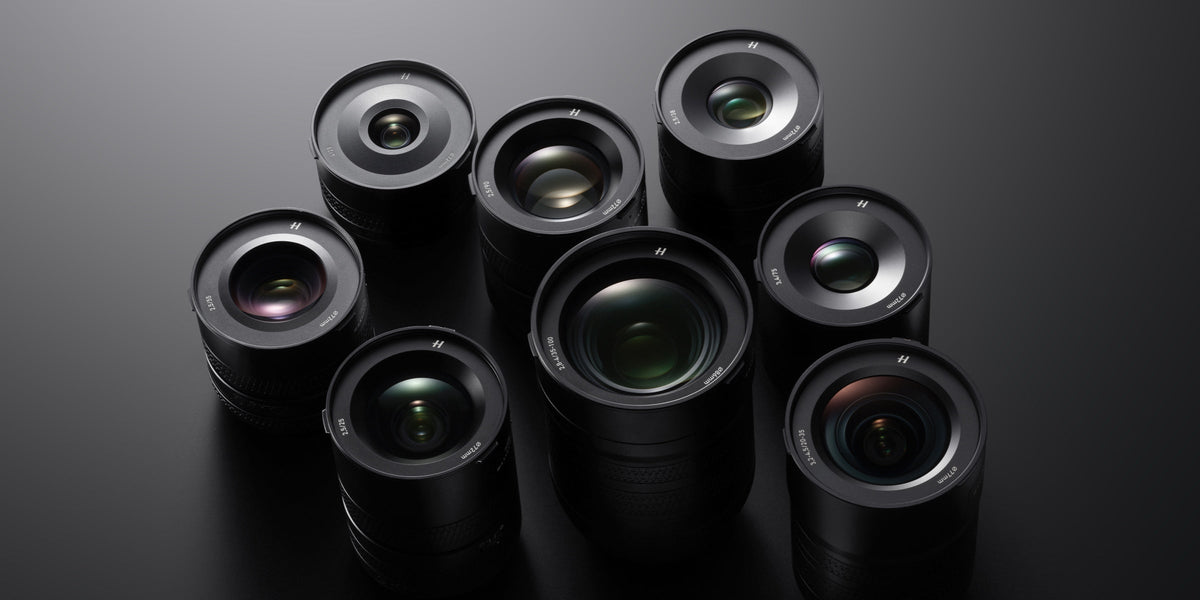
The number of megapixels describes how many pixels a file contains. How much visible detail is produced, however, depends on the entire capture system.
A sensor can only capture those structures that the lens projects precisely onto its surface. Resolving power, contrast, colour correction, and imaging performance right up to the edges of the frame determine how effectively the available pixels are used.
Only when sensor and lens work together does nominal resolution turn into clearly discernible image detail. Hair, textiles, wood, stone, or metal then retain the subtle variations that make a material look natural and convincing.
Light also affects how much detail we perceive. Side light accentuates surface textures, while soft, frontal light makes them appear calmer. The camera preserves the information that the lens, lighting, and subject reveal together.
Focus, Movement, and Stabilisation
As resolution increases, small deviations become easier to spot. A slight focus error or camera movement that is barely noticeable on a small screen can reduce detail when the image is greatly enlarged.
Precise focus, a suitable shutter speed, and effective image stabilisation help you make full use of the sensor's resolution potential.
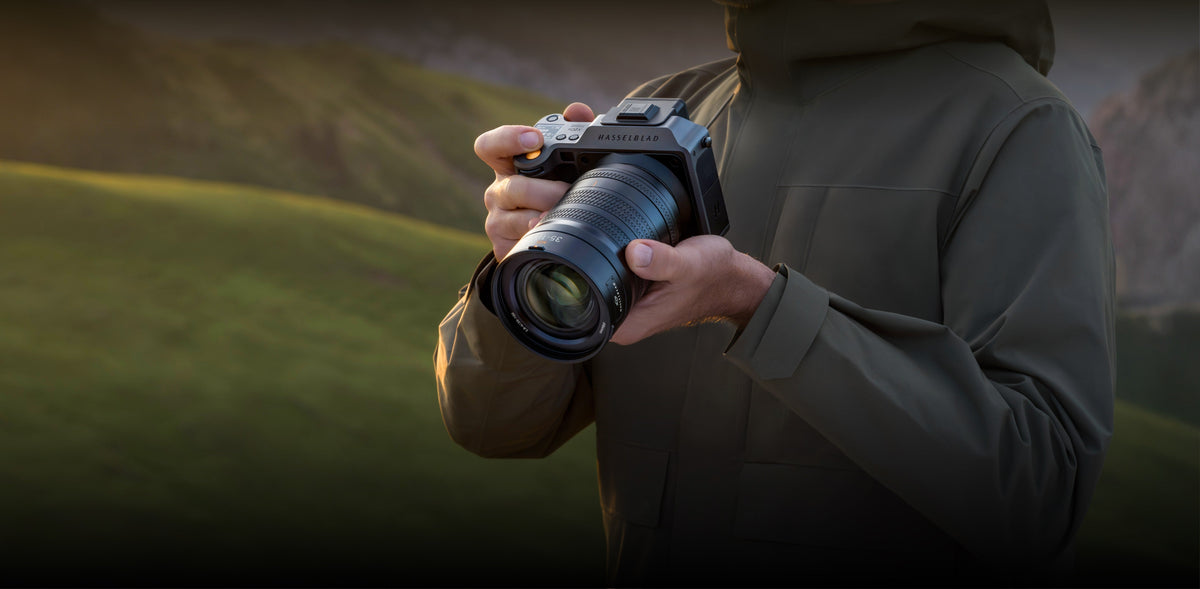
High-resolution photography is not limited to using a tripod or shooting in controlled studio environments. Modern stabilisation systems make it possible to capture precise handheld shots, expanding your creative options in changing light.

@Jiaze Wang
More Flexibility for Framing and Composition
A high-resolution shot can be further adapted for different formats.
From a generously framed shot, you can create a horizontal editorial image, a vertical cover, or a square crop. Such requirements in commercial photography are often only defined during the creative process. Even in personal projects, a new composition can transform the relationship between subject and surroundings.
This flexibility is no substitute for careful image composition when shooting. However, it allows you to further refine the original composition at a later stage.
|
Original resolution |
Full image |
50 per cent of the image area |
25 per cent of the image area |
|
24 MP |
24 MP |
12 MP |
6 MP |
|
45 MP |
45 MP |
Approx. 22 MP |
Approx. 11 MP |
|
100 MP |
100 MP |
50 MP |
25 MP |
If you use half of the original image area, you keep roughly half of the original pixel count. A 100 MP file still offers around 50 MP after such a crop.
This means that a much tighter composition can still provide a solid basis for retouching and high-quality prints. High native resolution makes it possible to develop several distinct image versions from a single shot.
Camera Resolution for Large Prints and Exhibitions
In print, an image gains a tangible physical presence. Lines, textures, and tonal gradations spread across a tangible surface and become part of the space in which the image is viewed.
How many pixels are required depends on print size, material, subject, and viewing distance. A small fine art print viewed at close range has very different demands from a large-format piece that is first experienced from several metres away.
Additional resolution allows an image to hold its own on both levels.
A landscape scene can appear from a distance as a complete spatial composition, and reveal additional structures in vegetation, rock, and atmosphere when viewed more closely. In a portrait, expression, skin, and fabrics remain clearly defined. In an architectural shot, both the overall structure and individual surfaces can remain clearly discernible.
High resolution therefore increases not only the possible output size. It enhances the depth with which a printed image can be perceived.

@Panji Indra Permana
Details, Colour, and Tonal Values in Post-Production
A high-resolution file provides a nuanced foundation for local adjustments.
In a portrait, individual areas can be adjusted while skin, hair, and fabrics retain their natural texture. In product photography, reflections and material details can be controlled with great precision. Architectural and landscape images offer greater scope for perspective corrections, tonal adjustments, and a variety of output formats.
In addition to resolution, two other characteristics determine the quality of the available image information:
-
Colour depth determines how smoothly colours can be graduated.
-
Dynamic range covers the information between bright and dark tones.
When these characteristics are well balanced, fine details and natural transitions are preserved, even with extensive editing.
High-resolution files require a carefully planned workflow for storage, backup, and processing. The larger amount of data also provides the foundation for precise retouching and flexible output options.
Sensor Size and Effective Camera Resolution
Sensor size and megapixel count are independent characteristics. A larger sensor does not automatically have bigger pixels, as the total number of pixels can also vary.
The sensor area, however, defines the physical framework in which resolution, optics, and light intake interact.
The medium-format sensors in Hasselblad X System measure 43.8 × 32.9 mm. Its area is therefore around 70 per cent larger than that of a full-frame sensor measuring 36 × 24 mm.
This extra space provides a generous foundation for high resolution, nuanced colours, and seamless tonal transitions. The effect comes from the harmonious interaction of the sensor, lens, and image processing.
In real-world use, even subtle differences can remain clearly distinguishable from one another. Similar skin tones retain their subtle nuances. Bright clouds retain their detail against a radiant sky. In darker parts of the image, texture and spatial depth remain clearly visible.
The larger sensor area does not reveal itself as an abstract figure, but in the calmness and precision of the final image.

@Weimin Chu
Camera Resolution by Subject and Use
High resolution is valuable for much more than just the subject of the shot. Equally important is how the image will later be edited and presented.
Portraits and Fashion
Fine skin tones, hair, and fabrics benefit from precise reproduction. Additional resolution supports retouching and allows for varied crops for editorials, campaigns, and large-scale presentations.
Landscape
Expansive scenes often contain multiple spatial layers. A high-resolution shot can preserve the overall composition, as well as distant structures and subtle atmospheric transitions.
Product and Still Life
Materials are distinguished by subtle variations in surface, reflection, and colour. A richly detailed file provides the foundation for authentic visual representation, and allows for flexible commercial post-processing.
Architecture and Cultural Documentation
Structures, surfaces, and spatial relationships often need to be preserved at the same time. High resolution supports current presentation, as well as archiving and future use.
Travel and Reportage
Additional image information gives you the flexibility to adapt a spontaneously captured scene for different formats. How versatile a high-resolution system can be in use also depends on the lens, autofocus, and stabilisation.
High Resolution in Contemporary Medium Format
For projects that call for flexible crops, precise editing, or large-format prints, X2D II 100C demonstrates how high resolution can be turned into a tangible creative advantage.
Its 100 MP BSI CMOS sensor in a 43.8 × 32.9 mm format preserves fine detail even after significant recomposition. This preserves a rich foundation for retouching, different aspect ratios, and high-quality outputs.
16-bit colour depth and a dynamic range of up to 15.3 stops further enhance this wealth of detail. You capture subtle gradations in skin tones, skies, and materials, providing post-production with more precisely usable information.
A 5-axis image stabilisation system with up to 10 stops of compensation in the centre of the frame helps you maintain full resolution potential, even when shooting handheld.
X2D II 100C combines high resolution not only with image size, but also with the freedom to carefully develop a shot all the way through to its final presentation.
[cta: https://store-eu.hasselblad.com/de/products/x2d-ii-100c]
Frequently Asked Questions
Can software fully compensate for missing resolution?
Software can enlarge an image, refine existing edges, and plausibly fill in structures. However, it cannot reconstruct completely new scene details that were not captured at the time of shooting. For heavy cropping, precise retouching, and large prints, native sensor resolution remains the more reliable foundation.
What is the difference between MP and DPI?
MP represents the total number of pixels in an image file. PPI indicates how densely these pixels are arranged at output. DPI technically refers to the printed dots produced by an output device. The numerical print size is calculated from the pixel count, aspect ratio, and intended pixel density.
What role does the RAW format play with high resolution?
RAW files preserve extensive original sensor information for adjusting exposure, colour, and tonal values. Combined with high resolution, this ensures that fine details and the flexibility for cropping and advanced editing remain extensively usable.
Creative Scope with High Resolution
High resolution is particularly valuable when one image needs to serve multiple purposes. It preserves detail for new crops, precise editing, and demanding presentations.
Its real value does not lie in having the biggest possible number. It lies in the creative options that remain available after shooting, and in the precision with which light, colour, and texture are rendered all the way to the final image.