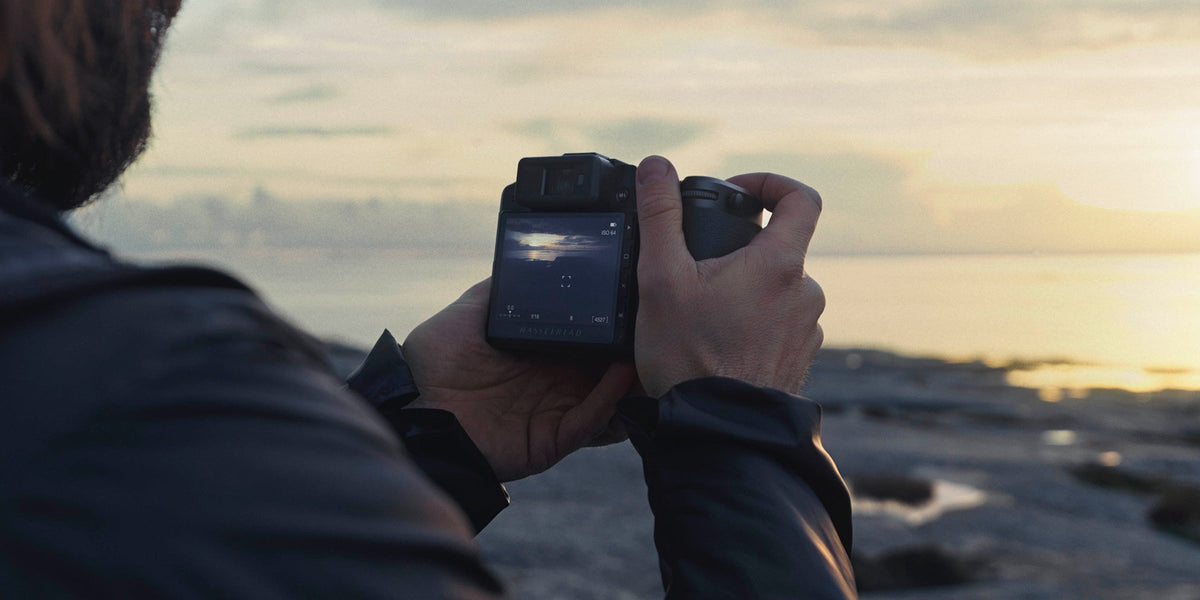
Dynamic Range in Medium Format: Greater Latitude for Light, Color, and Tonal Values
A high dynamic range preserves more detail between bright highlights and deep shadows within a single shot. Bright areas retain detail, dark parts remain well separated, and subtle tonal transition...
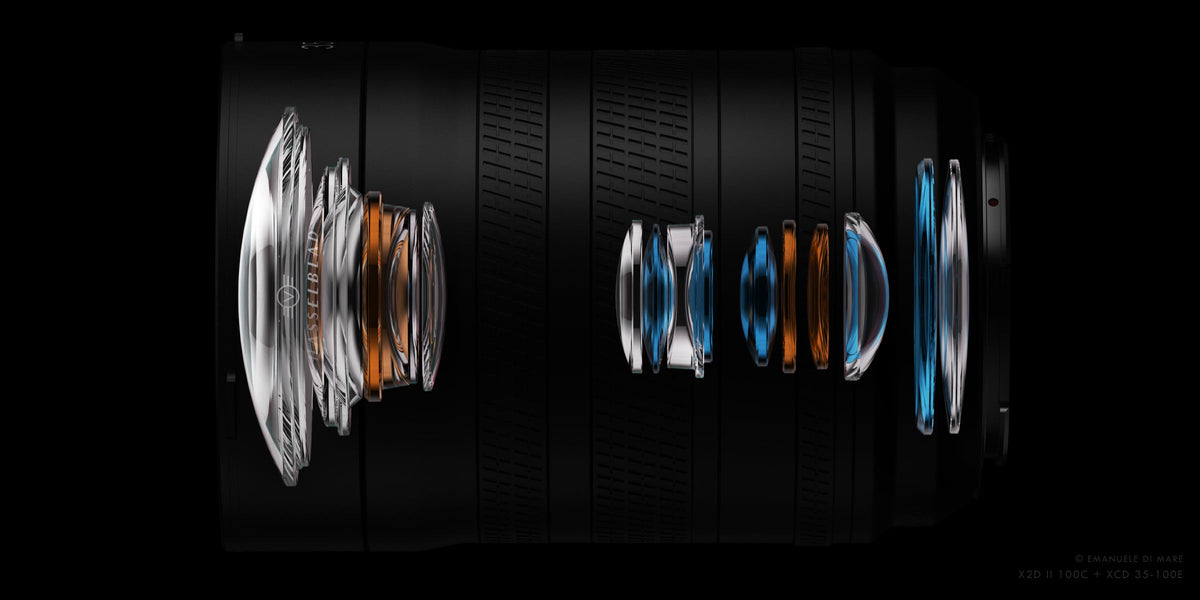
Medium-Format Image Quality: How Sensor, Lens, and Color Work Together
Medium-format image quality often reveals itself in the more understated parts of a photograph: in the transitions from light to shadow, in the texture of materials, or in colours that remain natur...
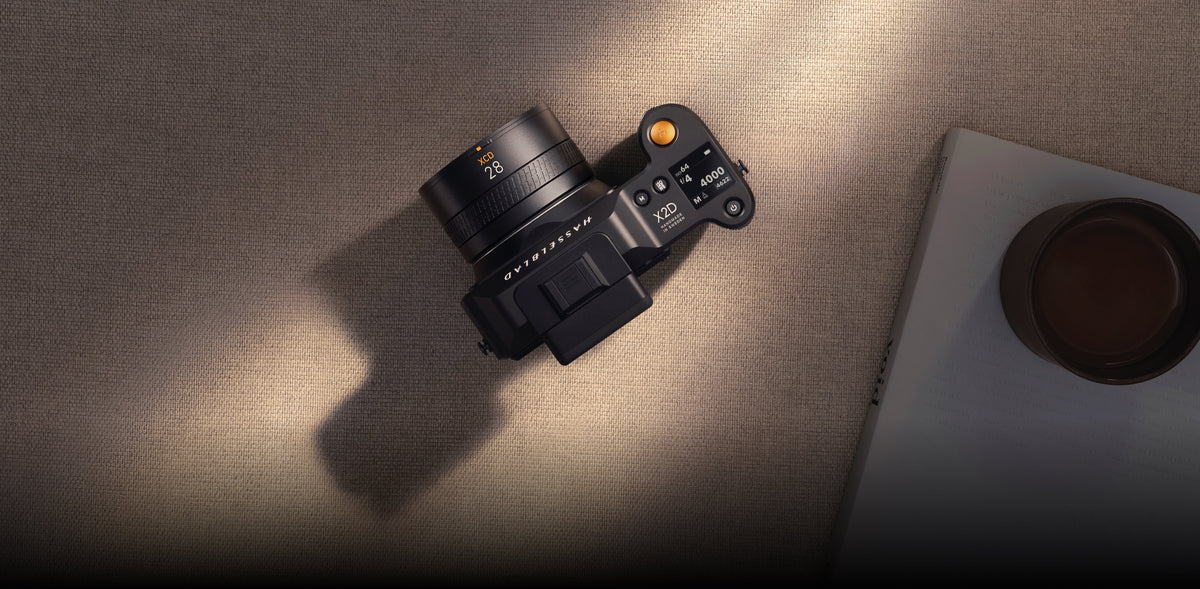
What is a Medium-format Camera and How Does It Shape the Image?
A medium-format camera uses an image area that is larger than the 35 mm full-frame format. The term does not refer to a single sensor size, but to a class of formats that includes analogue film cam...
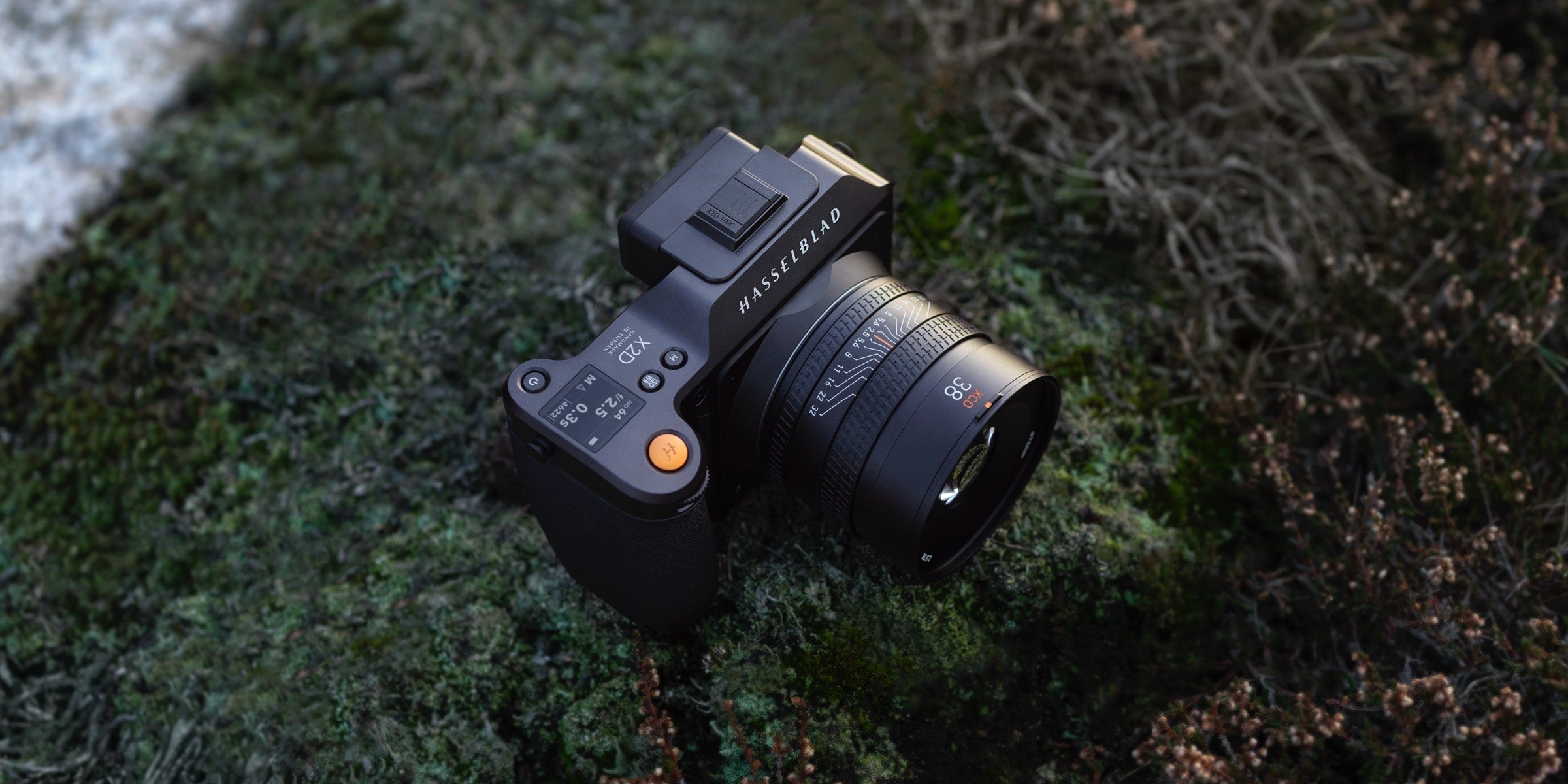
Medium Format vs. Full Frame: A Comparison
The fundamental difference between medium format and full frame lies in sensor size. A Hasselblad sensor with 43.8 × 32.9 mm offers roughly 67 per cent more area than a full-frame sensor with 36 × ...

Is a Medium Format Camera Worth It? Advantages, Use Cases, and Help Deciding
When image quality, fine detail, natural colours, and generous editing latitude are your priorities, investing in a medium-format camera is worthwhile. Modern models combine these strengths with im...
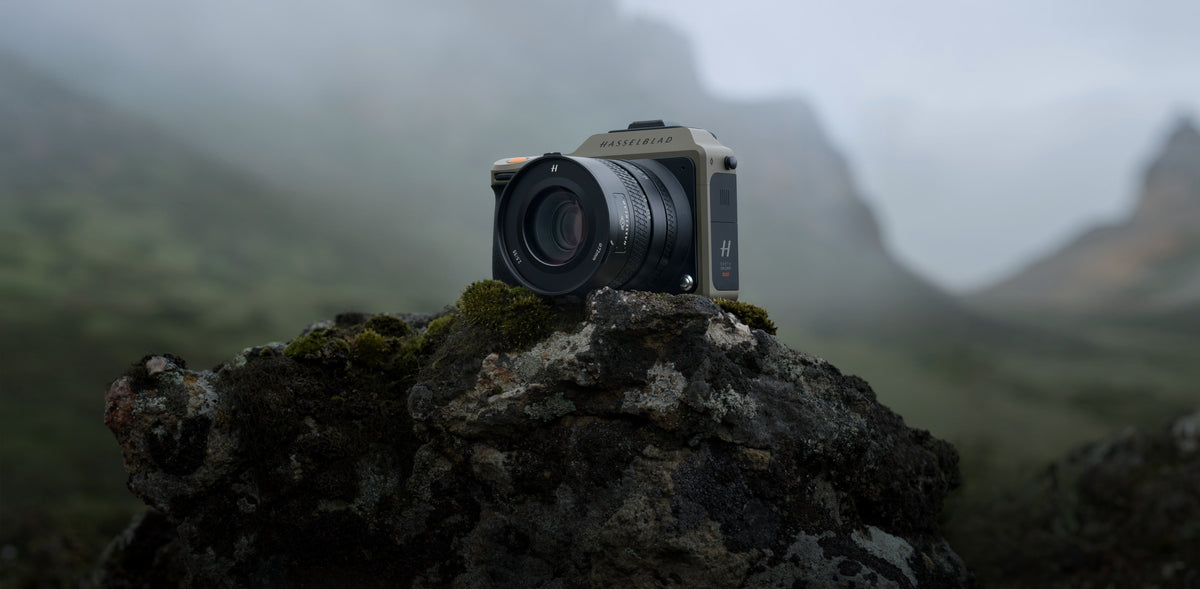
Medium Format for Beginners: Which Camera Is Right for You?
For most beginners, Hasselblad X2D II 100C is the more versatile choice. It combines an electronic viewfinder, continuous autofocus, image stabilisation, and internal storage in one integrated syst...